
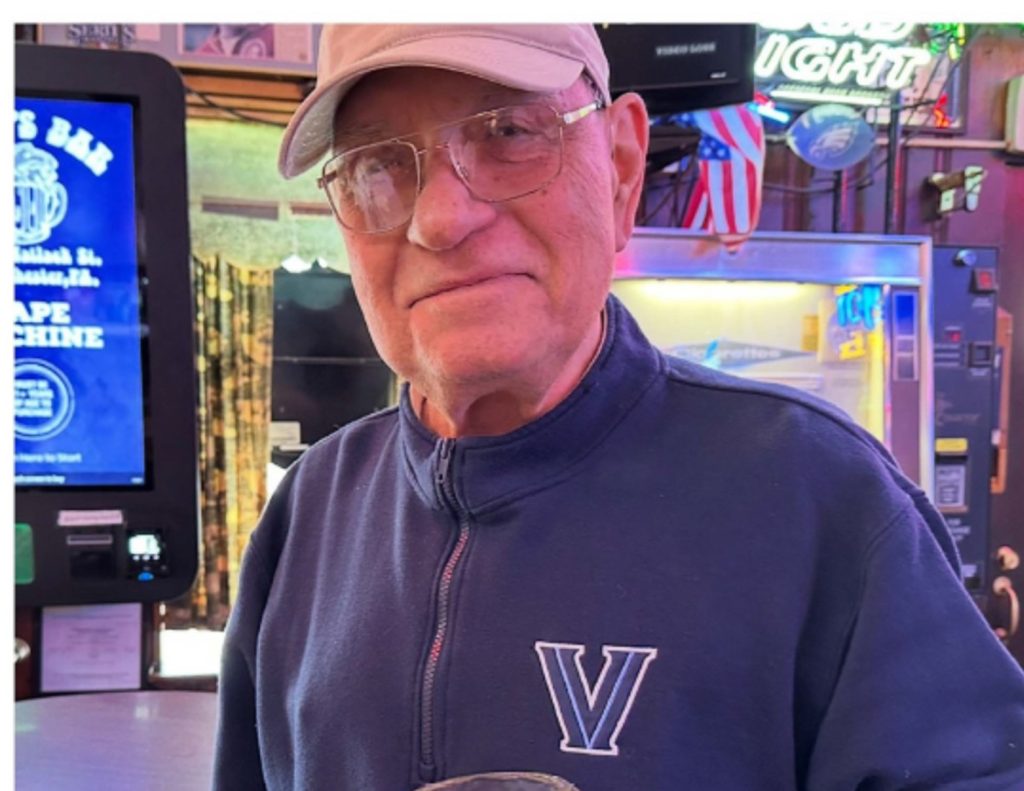
I never thought the words “you have breast cancer” would be said to me. I’m a man, after all.
It started with a small lump under my left nipple—something I ignored for months, assuming it was nothing. Maybe a cyst. Maybe just tissue. Breast cancer was never on my radar. It wasn’t until it became tender and started to change shape that I finally saw a doctor. Even then, the suggestion to get a mammogram felt awkward. I remember sitting in the waiting room, surrounded by pink gowns and pamphlets for women, feeling like I didn’t belong.
The diagnosis came quickly after the imaging and biopsy: invasive ductal carcinoma. My world shifted. I was scared, of course, but also confused and isolated. People kept saying how “rare” it was—less than 1% of breast cancer cases occur in men. It didn’t make me feel unique; it made me feel invisible.
My treatment plan involved a mastectomy and radiation. The surgery was straightforward, but losing a part of my body brought emotional challenges I didn’t expect. There were no support groups for men. I was handed a pamphlet with women on the cover. No one knew how to talk to me about what I was going through—not my friends, not even some of my doctors. I’d get sympathetic glances followed by disbelief. “Men can get breast cancer?” they’d say. Yes. We can. And we do.
Radiation treatment was daily for several weeks. The fatigue, the skin irritation, it was all manageable. What was harder was the ongoing erasure of my experience. There’s no “blue ribbon” campaign for men. Even in follow-up care, I had to keep reminding new providers that I had a history of breast cancer. More than once, someone assumed I was there in support of a female partner. It felt like my diagnosis wasn’t just rare—it was dismissed.
Today, I’m cancer-free but still closely monitored. I have regular follow-ups with oncology and breast imaging. I take survivorship seriously, not just for myself but for the men who will come after me.
We need to remove the stigma around male breast cancer. It’s not emasculating. It’s not shameful. It’s a medical condition that demands awareness, compassion, and research. The medical community needs to be more inclusive. So does the public. Every October, I see pink everywhere, but almost no mention of men. That needs to change.
I tell my story because if it helps one man catch his cancer early, it’s worth it. If you’re a man and notice something unusual, get it checked. Your life might depend on it.