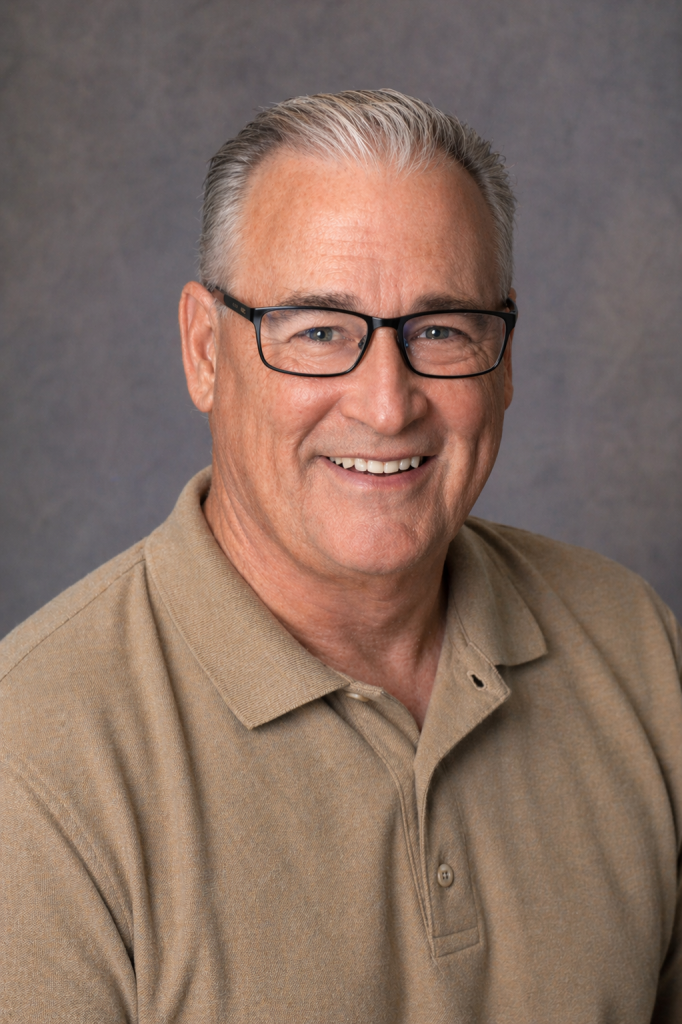
Daniel L. Root
Daniel L. Root is a detoxification researcher, educator, and co-developer of the Detoxination® protocol, a structured approach that uses niacin, exercise, sauna therapy, binders, and nutritional support to help reduce the body’s toxic burden. The son of David E. Root, MD, MPH, a longtime specialist in occupational and environmental medicine, Root has helped extend decades of work focused on chemical exposures, drug residues, and the long-term health effects of bioaccumulated toxicants.
His interest in cancer-related rehabilitation grows from a broader commitment to exposure medicine, imaging, and recovery support. He is especially interested in the underrecognized role that residual treatment burden may play after cancer therapy, including chemotherapy agents, imaging dyes, and other medical exposures that can contribute to fatigue, cognitive changes, neurologic symptoms, and reduced quality of life. In this context, he views detoxification not as a replacement for oncology care, but as a complementary framework for supporting post-treatment rehabilitation by improving elimination pathways, circulation, sweating, and nutritional resilience.
Prevention is also central to his work. Based in California, Root has long been attentive to the public health significance of environmental toxicants, including substances identified under Proposition 65 as known to cause cancer or reproductive harm. His work emphasizes reducing cumulative exposures, improving detoxification capacity, and helping practitioners and the public better understand the relationship between toxic burden, chronic illness, and long-term health outcomes.
Root is the co-author of Sauna Detoxification Using Niacin, CEO of Sabre Hawk, LLC, Associate Director of the AngioInstitute, and Associate Editor supporting its 22 publications. He is also curator of DETOXSCAN.org and advisor to REHABSCAN.org, where his work bridges image-guided detoxification science, rehabilitation, imaging-related exposures, and prevention-focused public health education.